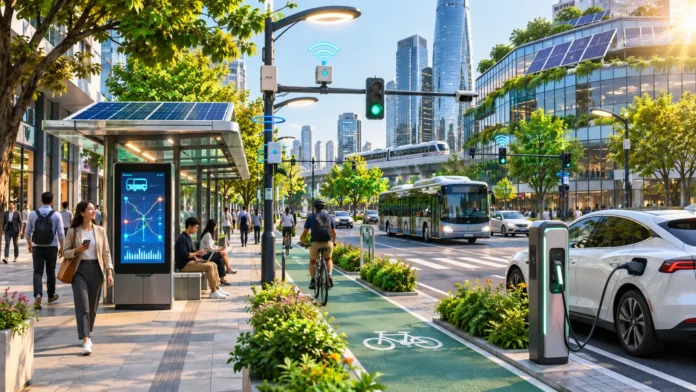

Cities are growing, and managing traffic, energy, water, and public services is becoming more challenging. To address these problems, governments are turning to smart city technologies that make urban systems more efficient, connected, and responsive. These solutions use digital tools, sensors, and data to improve everyday life.
From intelligent traffic signals to automated waste collection, smart technology is changing how cities operate. Understanding how these systems work helps residents, businesses, and policymakers recognize their benefits, limitations, and potential for future development.
What Are Smart City Technologies?
Smart city technologies are digital systems designed to improve urban infrastructure, public services, and resource management. They combine connected devices, communication networks, and data analytics to support better decisions. Instead of relying entirely on traditional processes, cities use these tools to identify problems, respond to changing conditions, and make essential services more reliable.
Common examples include smart traffic lights, connected streetlights, digital parking systems, and intelligent electricity meters. These technologies collect information about how different parts of a city operate. By analyzing this information, local authorities can improve service delivery, reduce unnecessary costs, and make public spaces safer and more convenient for residents.
A smart city is not simply a place filled with advanced technology. Its success depends on whether digital solutions address genuine community needs and remain accessible to everyone. Effective urban innovation also requires thoughtful planning, reliable infrastructure, and cooperation between government agencies, technology providers, businesses, and local communities.
How Smart Cities Use Sensors and Data
Data collection plays an important role in smart city development because it helps authorities understand urban conditions. Internet of Things (IoT) devices, including sensors and connected meters, gather information about traffic, electricity consumption, air quality, and infrastructure performance. These devices send information through communication networks to platforms where it can be monitored and analyzed.
Artificial intelligence and data analytics help identify patterns that might otherwise remain unnoticed. For example, a city can examine traffic data to understand recurring congestion or use water readings to detect unusual consumption. Predictive analytics can also help maintenance teams identify equipment that may need attention before a major service interruption occurs.
However, collecting large amounts of information does not automatically improve city operations. Data must be accurate, secure, relevant, and useful for making decisions. Cities also need clear privacy policies and responsible information-sharing practices to ensure that digital innovation serves the public without creating unnecessary surveillance or security risks.
How Smart Technologies Improve Traffic and Transportation
Traffic congestion wastes time, increases fuel consumption, and creates unnecessary pressure on urban transportation networks. Smart traffic management systems use cameras, road sensors, and connected signals to monitor vehicle movement. Some systems adjust traffic signal timing based on current road conditions, helping improve traffic flow and reduce delays at busy intersections.
Public transportation also benefits from intelligent transportation systems and real-time information. Connected buses and trains can provide passengers with updated arrival estimates, route changes, and service alerts. Transportation agencies can analyze passenger demand to improve scheduling, identify overcrowded routes, and make public transit more dependable for daily commuters.
Smart parking systems offer another practical solution by helping drivers find available parking spaces more easily. Sensors or digital platforms can display parking availability and guide vehicles toward suitable locations. When combined with safer walking routes, accessible transportation, and cycling infrastructure, these improvements can create more convenient and connected urban mobility networks.
Smart Energy Grids and Connected Buildings
Energy management is another important application of smart city technologies, particularly as electricity demand continues to change. Smart grids use digital monitoring and communication tools to help utilities understand electricity consumption and network conditions. These systems can support faster fault detection, better demand management, and more efficient integration of renewable energy sources.
Connected buildings use automated controls to manage lighting, heating, cooling, and ventilation according to occupancy and operating conditions. Smart meters provide information about energy consumption, allowing building managers to identify unnecessary usage. When these systems are properly configured, they can lower operating expenses while maintaining comfortable indoor environments for residents and workers.
Smart streetlights can also support more efficient municipal energy use by adjusting brightness according to schedules or surrounding conditions. Some connected lighting systems report equipment failures automatically, helping maintenance teams respond sooner. These improvements show how energy-efficient infrastructure can reduce resource waste without requiring major changes to people’s daily routines.
How Smart Cities Manage Water and Waste
Water management becomes increasingly important as cities face population growth, aging infrastructure, and environmental pressures. Smart water systems use connected meters, pressure sensors, and monitoring software to track distribution networks. By identifying unusual flow patterns or pressure changes, utilities can investigate potential leaks and improve the reliability of water services.
Waste management is another area where connected technology can improve municipal operations. Smart waste bins may contain sensors that report how full they are, allowing collection teams to prioritize locations that need attention. Route optimization software can help reduce unnecessary collection trips, saving fuel and improving the use of available vehicles.
These technologies work best when combined with effective maintenance programs and responsible environmental practices. For example, cities may use waste collection information to identify areas requiring additional recycling facilities or public education. Similarly, water consumption trends can support conservation planning and help authorities prepare for periods of increased demand.
Public Safety and Emergency Response Technologies
Public safety systems can use connected infrastructure to help emergency teams understand incidents and coordinate responses. Smart emergency management platforms may combine weather alerts, traffic information, and infrastructure updates in one location. This information helps responders assess developing situations and decide where personnel, equipment, or public warnings may be needed.
Connected sensors can support early detection of flooding, smoke, or unusual environmental conditions in certain locations. When integrated with emergency communication systems, these tools can help authorities issue timely alerts to affected communities. Digital mapping also assists response teams by showing road closures, evacuation routes, and the locations of essential services.
However, technology cannot replace trained emergency personnel, clear procedures, or community preparedness. Systems must remain reliable during electricity failures, network interruptions, and other challenging conditions. Cities should also establish transparent rules for cameras and monitoring tools to protect individual privacy while pursuing legitimate public safety goals.
Digital Government and Better Public Services
Digital government platforms make many routine interactions with local authorities more convenient. Residents may be able to pay municipal bills, request permits, report damaged roads, or submit service complaints through websites and mobile applications. These services reduce dependence on physical offices and can make administrative processes easier to follow.
Smart city platforms also help different government departments coordinate their work more effectively. For example, a public works department can receive reports about broken streetlights and assign repairs through a centralized system. Digital records make it easier to monitor requests, identify recurring problems, and evaluate whether services are being delivered efficiently.
Citizen participation is equally important because residents understand many challenges that technology providers might overlook. Online surveys, community reporting tools, and public consultation platforms can help authorities gather useful feedback. However, cities must retain accessible offline options so people without reliable internet access or digital skills are not excluded.
Environmental Monitoring and Climate Resilience
Smart environmental monitoring systems help cities measure conditions that affect public health and urban sustainability. Connected sensors can track air pollution, noise levels, temperature, and other environmental indicators across different neighborhoods. This information allows authorities to understand local conditions and identify areas that may benefit from targeted environmental improvements.
Urban planners can also use digital models to study how infrastructure responds to changing environmental conditions. For example, geographic information systems and digital twins can help examine drainage networks, building layouts, and potential flood exposure. These tools support planning decisions by making complex information easier to visualize and compare.
Climate resilience requires more than installing sensors or introducing automated monitoring platforms. Cities must use the information collected to guide practical measures such as improved drainage, greener public spaces, and stronger infrastructure. When digital tools support evidence-based environmental planning, communities can become better prepared for changing conditions and future disruptions.
Smart Healthcare, Accessibility, and Community Well-Being
Smart city development can support healthcare by making certain public health services and resources easier to access. Digital appointment platforms, connected health facilities, and remote consultation services may reduce administrative barriers for some residents. Aggregated, appropriately protected information can also help public agencies understand service demand and plan community healthcare resources.
Accessibility technologies can make public spaces easier to navigate for people with different mobility and communication needs. Examples include audible pedestrian signals, accessible journey-planning applications, and real-time public transportation updates. These solutions can improve independence, particularly when people with disabilities participate directly in the design and testing process.
Community well-being also depends on access to parks, safe streets, recreational facilities, and reliable essential services. Smart planning tools can help authorities identify neighborhoods with limited facilities or transport connections. However, technological improvements must be supported by fair funding decisions and inclusive planning to ensure that underserved communities benefit.
Challenges of Implementing Smart City Technologies
Implementing smart city technologies requires significant planning, technical expertise, and long-term financial commitment. Cities may face high installation expenses, ongoing maintenance requirements, and difficulties connecting new systems with older infrastructure. Choosing technology without understanding actual community needs can lead to expensive projects that deliver limited public value.
Cybersecurity and data privacy are major considerations because connected infrastructure can create additional opportunities for unauthorized access. Local authorities need strong security controls, responsible data collection policies, and clear accountability arrangements. Residents should understand what information is collected, why it is needed, and how organizations protect it from misuse.
The digital divide presents another challenge, particularly for residents with limited internet access or technology experience. Smart city initiatives should offer affordable, accessible services rather than assuming everyone can use connected devices. Successful implementation depends on public trust, staff training, transparent procurement, and regular evaluation of measurable community outcomes.
The Future of Smart City Technologies
Future smart city technologies are likely to make greater use of artificial intelligence, automation, and advanced data analysis. These capabilities could help authorities forecast infrastructure demand, improve maintenance schedules, and respond more efficiently to changing conditions. However, their effectiveness will depend on dependable information, responsible oversight, and appropriate investment.
Digital twins may become increasingly useful for testing urban planning decisions before construction begins. These virtual representations can combine geographic information, infrastructure data, and simulation tools to explore possible outcomes. Cities may also expand connected transportation networks, energy monitoring systems, and digital public services as technologies become more practical and affordable.
The most successful smart cities will likely focus on meaningful improvements rather than adopting every available innovation. Technology should help make transportation reliable, essential services accessible, and infrastructure more resilient. By putting community needs first, cities can build connected environments that remain practical, inclusive, and adaptable as urban challenges evolve.
Conclusion
Smart city technologies are changing how urban communities manage transportation, energy, water, environmental conditions, and public services. Connected devices, intelligent software, and data-driven planning can help authorities make better decisions and improve operational efficiency. Their greatest value comes from solving everyday challenges rather than simply introducing advanced digital systems.
Although these technologies offer significant opportunities, implementation requires careful attention to cost, accessibility, privacy, and cybersecurity. Cities must establish clear goals, involve residents, and evaluate whether projects produce meaningful improvements. Long-term maintenance and responsible management are just as important as selecting the right technology during the initial development process.
The future of smart cities depends on balancing innovation with practical community needs. Well-designed digital infrastructure can support safer streets, more reliable services, and sustainable resource management. When governments use technology responsibly and include residents in decisions, smart city development can help create healthier, more efficient, and better-connected places to live.
Frequently Asked Questions (FAQs)
What Are the Main Technologies Used in Smart Cities?
Smart cities use Internet of Things sensors, artificial intelligence, cloud computing, smart grids, digital twins, and data analytics. These tools help manage urban infrastructure, transportation, energy consumption, environmental conditions, and public services.
How Do Smart City Technologies Improve Daily Life?
Smart city technologies can reduce traffic delays, improve public transportation information, simplify government services, and support more efficient resource use. Their purpose is to make everyday urban activities more convenient, reliable, and accessible.
What Is the Role of IoT in Smart Cities?
The Internet of Things connects physical devices and sensors to communication networks. These devices collect information about roads, buildings, utilities, and environmental conditions, helping city authorities monitor operations and respond to changing needs.
Are Smart City Technologies Safe and Secure?
Smart city technologies can be secure when organizations apply strong cybersecurity measures, data protection policies, and regular maintenance. However, connected systems still face risks, making responsible design, ongoing monitoring, and transparent oversight essential.
What Are Some Examples of Smart City Technologies?
Examples include adaptive traffic signals, smart parking systems, connected streetlights, digital water meters, intelligent waste bins, and online government service platforms. Each technology addresses specific challenges related to managing urban infrastructure and community services.

